







Search Results for: single brew
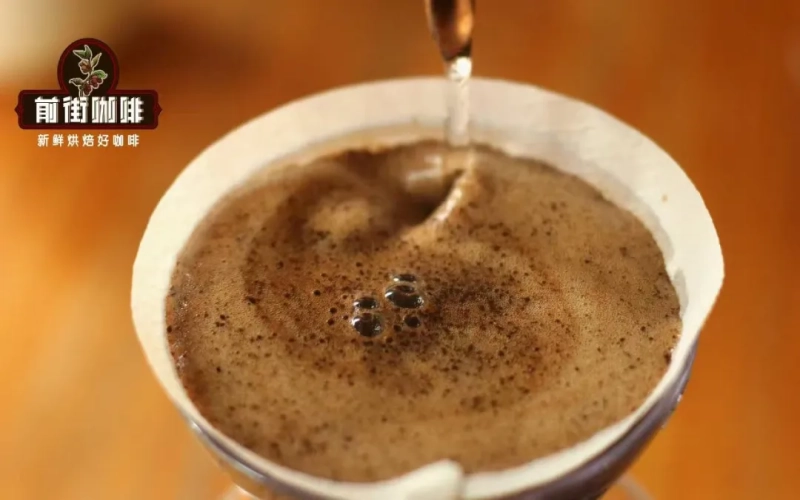
How to Brew with the One-Pour Tornado Hand-Drip Method? Core Differences from Three-Stage Pour-Over and Detailed Practical Parameters
Among the many pouring techniques in pour-over coffee, the single-pour method is widely favored for its simplicity and efficiency, and the "single-pour · tornado" derived from it attracts many enthusiasts with its strong visual impact and unique extraction logic. From the perspective of Front Street, this article systematically explains how this fancy brewing method creates a vortex in the dripper, why it is harder to control than the regular single-pour, and how to compensate for the loss of extraction efficiency by adjusting water temperature, grind size, and dripper type. The article also includes a complete brewing demonstration, using 18g Panama Butterfly, a 1:15 coffee-to-water ratio, and 96°C water temperature, ultimately achieving a 19.7% extraction yield and clear flavor expression, suitable for readers who want to advance their pour-over skills. [more…]
Pour-over Coffee Single-Pour Technique Tutorial: A Complete Guide to Brewing Steps, Flavor Characteristics, and Grind Parameters
Among the many ways to brew pour-over coffee, the single-pour method is one of the first techniques many enthusiasts encounter and the easiest to understand. Its core logic is simple and clear—after the bloom, the entire target volume of water is poured in one go. That said, the single-pour method does not mean pouring water only once; the process still consists of two stages: the bloom and the main pour. Coffee brewed this way tends to be clean, clear, and consistent in flavor, but it also places stricter demands on pouring stability, grind size, and other parameters. In this article, from the perspective of a Front Street Coffee barista, we will break down the complete single-pour brewing process in detail, analyze its flavor performance and operational challenges, and help those just getting started quickly master this classic technique. [more…]
What is single-origin coffee? From the concept of growing regions to roasting and brewing, understanding the core differences between single-origin and blended coffee
On coffee shop menus, the term "single-origin coffee" is appearing more and more often, but do you really understand it? Many people assume that choosing coffee beans from a certain country makes it single-origin, but true single-origin coffee emphasizes a specific producing region—that is, the very source of a cup of coffee. It stands in sharp contrast to blended coffee—the latter is made by roasters mixing beans from different origins in pursuit of a balanced flavor, while single-origin focuses on presenting the unique character of one producing region. However, today the flavor of single-origin coffee also incorporates the roaster's personal style, and is no longer entirely equivalent to the original taste of the producing region. This article will help you sort out the definition of single-origin coffee, the distinction between it and the specialty coffee classification, and explore how roast level and brewing method affect the final flavor in the cup, helping you have more direction the next time you order. [more…]

SOE Coffee Brewing Ratio | Which coffee beans are rich and sweet with a lingering aftertaste? What flavors does SOE single-origin espresso have? Are there coffee beans that work for both pour-over and SOE?
For more specialty coffee knowledge, please follow: Front Street Coffee (Frontsteet Coffee). Coffee is a global beverage. In addition to the diversity of brewing methods, it can also rely on different extraction methods to produce coffees with different flavors and mouthfeels, whether visually or in tasting. [more…]
What Exactly Is Single-Origin Coffee? A Comprehensive Guide from Origin Concepts to Roasting and Brewing Methods
The term "single-origin coffee" is appearing more and more often on café menus, but many people's understanding of it still stops at the level of "picking a country." In fact, single-origin coffee emphasizes the coffee's place of origin, forming a sharp contrast with blended coffee. Starting from the definition of single-origin coffee, this article will sort out its differences from espresso blends, the influence of roaster style on flavor, the logic behind choosing different roast levels, and the flavor differences brought by brewing methods such as the espresso machine, AeroPress, pour-over, and siphon, helping you have a clearer sense of direction the next time you order at a café. [more…]
What is the difference between single-origin coffee and pour-over coffee? A detailed explanation of the definition of single-origin beans and the core logic of pour-over brewing
Many people habitually equate single-origin coffee with pour-over coffee, assuming that single-origin means pour-over and pour-over means single-origin. But these two concepts actually point to completely different dimensions. Single-origin coffee refers to the source of the beans—coming from a single origin; pour-over coffee refers to the extraction method—using the technique of pouring water and filtering. So why does the general public conflate the two? This article starts from an everyday conversation at Front Street, first clarifying the definition of single-origin coffee beans, then explaining the essence of pour-over coffee, to help coffee enthusiasts build a clear cognitive framework. [more…]
Why Is Pour-Over Coffee the Top Choice for Single-Origin Offerings in Coffee Shops? A Comprehensive Analysis of Six Major Advantages
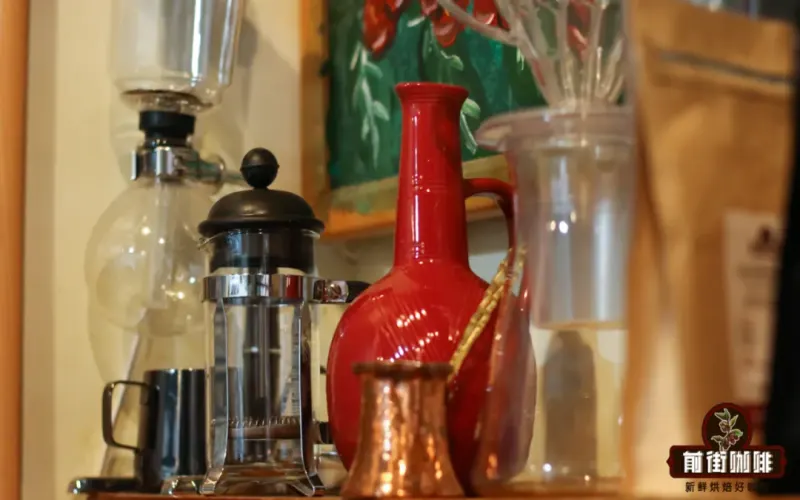
When ordering single-origin coffee in a café, have you ever noticed that it is almost always served as pour-over? Why not a siphon, French press, or some other device? The answer is actually not complicated—pour-over coffee has the most well-balanced overall capabilities, making it a true all-rounder among brewing devices. It performs well across six dimensions: flavor expression, ease of operation, speed of service, controllability of parameters, variety of brewing styles, and visual appeal. From the perspective of Front Street Coffee, this article will analyze these six advantages one by one, helping you understand why pour-over coffee has become the preferred method for cafés brewing single-origin beans. [more…]
Cold Brew Coffee Single-Origin Bean Recommendations | What's the Difference Between Cold Brew and Iced Coffee? How Many Days Can Cold Brew Coffee Be Stored in the Fridge? How to Make a Single Serving of Cold Brew?
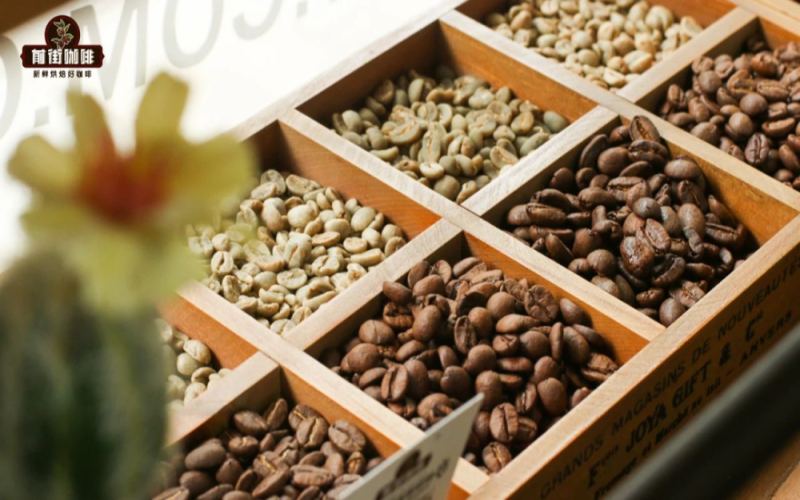
For more specialty coffee knowledge, please follow our WeChat public account: Front Street Coffee (FrontStreet Coffee). If you have ever tried cold brew coffee, you will surely be captivated by its uniquely smooth mouthfeel and "pure" character. Why is cold brew coffee so popular? Compared with regular [more…]
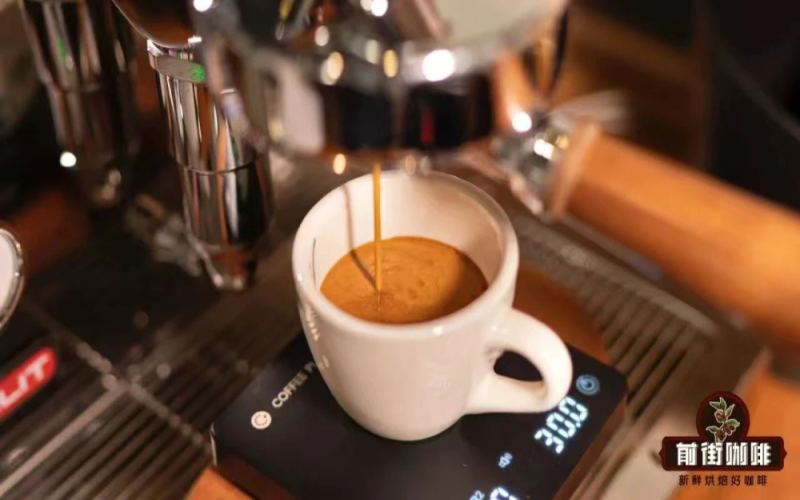
Hand-brewed single-origin vs. espresso coffee beans: key differences, common single-origin bean types, and how to choose
What exactly is the difference between single-origin coffee and espresso? This article sorts through everything from definitions and roasting logic to brewing methods, helping you understand the concepts of single origin and single variety, and grasp the different demands that pour-over and espresso place on coffee beans. It also uses specific products such as Front Street Coffee's Fruit Ding Ding, Huakui, Golden Mandheling, and Blue Mountain No. 1 to explain how to choose single-origin beans based on flavor preferences like floral aroma, fruity acidity, full body, and balance; at the same time, in light of the high-temperature, high-pressure extraction characteristics of espresso machines, it explains why medium-dark roast blends are better suited for consistent output, and offers purchasing suggestions such as Front Street Coffee's Classic Blend, Black Cocoa, Huakui SOE, and Strawberry Candy Espresso, making it easy for coffee lovers to switch up flavors as they please. [more…]
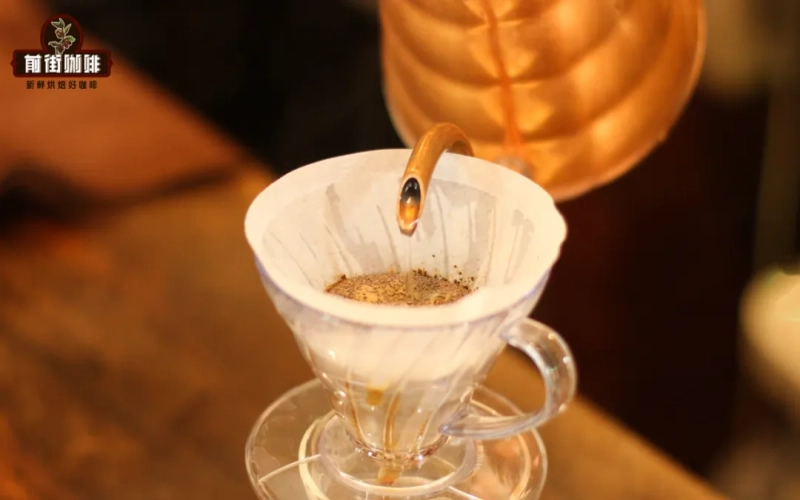
How to brew 30 grams of coffee with a size 01 V60? Parameter adjustment ideas for brewing a large batch in a single-person dripper
Pour-over coffee enthusiasts often run into this dilemma: they only have a 01 single-cup V60 dripper on hand, yet need to brew a multi-serving batch with 30 grams of coffee at once. Doubling the coffee dose is easy, but scaling up the water volume accordingly will exceed the dripper's capacity, leading to uncontrolled extraction. Does that really mean a small dripper can't handle a large dose? Not at all. Front Street successfully brewed 30 grams of Front Street Granja Geisha with a 01 V60 by adjusting the grind size, pouring method, and staged strategy, achieving a 20.33% extraction yield, with a balanced, sweet flavor where apricot, berry, citrus, and oolong tea notes are clearly distinguishable. This article shares this fully tested set of parameters and operating steps with anyone who has the same need. [more…]
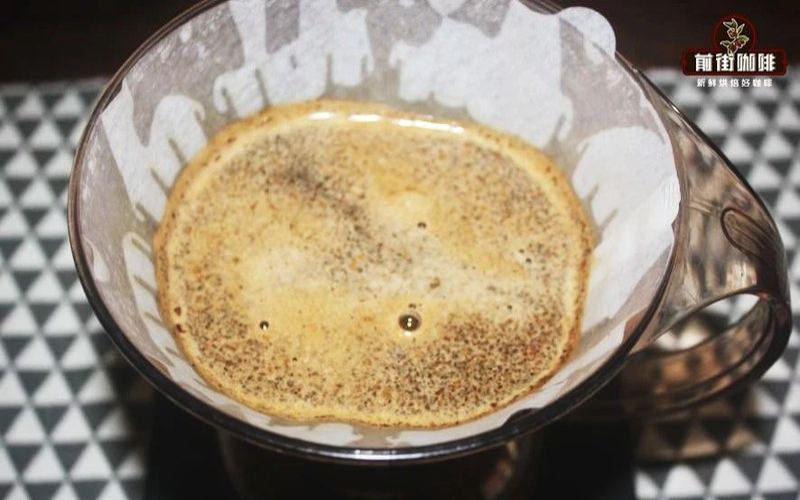
Pour-Over Single-Origin Coffee Recommendations: Balancing Budget and Drinking Frequency
From bean to cup, a coffee must still go through grinding and extraction. When it comes to hand-brewed single-origin coffee, your everyday bean buying needs to take into account how quickly you'll drink it, how much to buy at a time, and whether you mainly make black coffee or milk coffee at home. First confirm your usual equipment and preferred taste, then compare specific beans—your actual practice will have clearer direction. [more…]
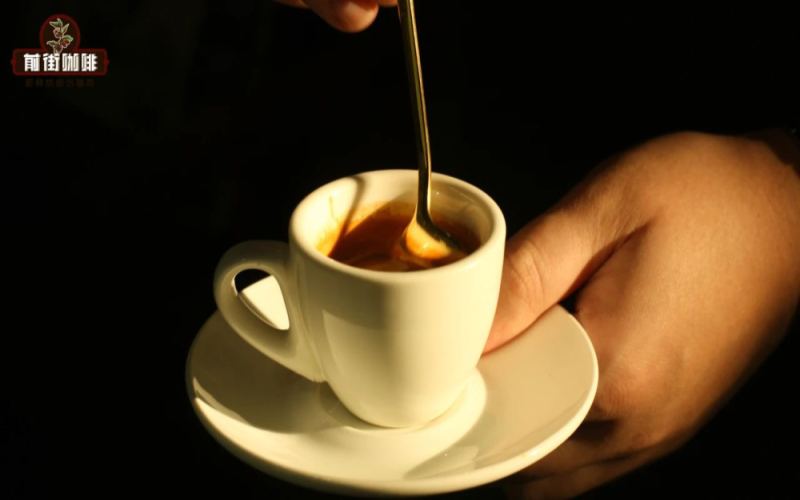
Espresso Blends vs. Single-Origin Beans: A Complete Guide to Espresso and Regular Coffee Brewing Recommendations
Coffee beans can be divided by origin into blends and single-origin beans. The former is commonly used for espresso, while the latter appears more often in pour-over or SOE. Starting from definitions, this article sorts out how espresso blends achieve flavor balance and complementarity by mixing beans from different origins, and introduces the rise and characteristics of SOE (Single Origin Espresso). The article also recommends Front Street Coffee's Classic Blend, Dark Cocoa Basic Blend, and several SOE beans, covering dimensions such as crema, mouthfeel, and value for money. Whether you are after rich crema or distinctive fruit acidity, you can find a suitable brewing direction. [more…]
Is SOE really single-origin coffee? Causes of Americano being more acidic and latte being more bitter, and brewing adjustment approaches
In recent years, specialty coffee has become increasingly popular in China, and various traceable single-origin beans frequently appear on café menus. Many people have started trying to use single-origin beans to make espresso, which is commonly known as SOE. But SOE does not mean casually taking a pour-over bean and putting it on an espresso machine, because high temperature and high pressure magnify the bean's own flavors exponentially. If the bean selection and parameters are even slightly off, an Americano may be sharply acidic, and a latte may be bitter and astringent. Starting from the definition of SOE, this article combines several Front Street Coffee products to sort out the influence of origin, roast level, and processing method on SOE performance, and provides adjustment methods for brew ratio, grind size, and dose and yield, to help you make a smooth cup of SOE Americano or SOE latte. [more…]
Can Espresso Blend Beans Be Used for Pour-Over? A Comprehensive Analysis of the Differences Between Espresso Beans and Single-Origin Beans and Brewing Recommendations
In an era where espresso and pour-over coffee coexist, many enthusiasts wonder: what happens if you use espresso blend beans for pour-over? From the perspective of Front Street Coffee, this article sorts out the essential differences between espresso blend beans and single-origin beans, explores the feasibility and flavor performance of using espresso beans for pour-over, and provides specific pour-over parameter references. At the same time, the article also introduces the flavor characteristics and prices of several Front Street espresso blend coffee beans, helping readers make choices according to their needs. Whether you want to try a new approach or want to understand the art of blending, you can gain practical information from it. [more…]
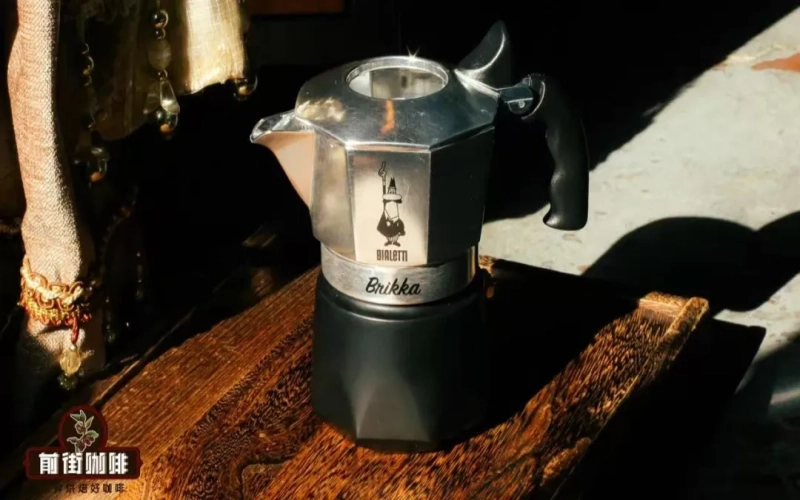
Moka Pot Buying Guide: Structural Differences Between Single-Valve and Double-Valve Models, Extraction Performance, and Suitable User Profiles
For making coffee at home, the moka pot has become the top choice for many beginners thanks to its affordable price, portability, and simple operation. But when it comes to buying one, a common dilemma always arises: single-valve or double-valve? There are even three-valve versions on the market, which confuses newcomers even more. From Front Street Coffee's perspective, this article first compares the core structural differences between single-valve and double-valve models, then analyzes how the pressure valve affects extraction pressure and coffee strength, and finally offers targeted buying advice based on whether you make milk coffee. The article also recommends two coffees suitable for moka pots — Front Street Coffee Strawberry Candy Espresso Blend and Front Street Coffee Queen's Estate SOE — to help you avoid bitterness while finding your preferred flavor direction. [more…]
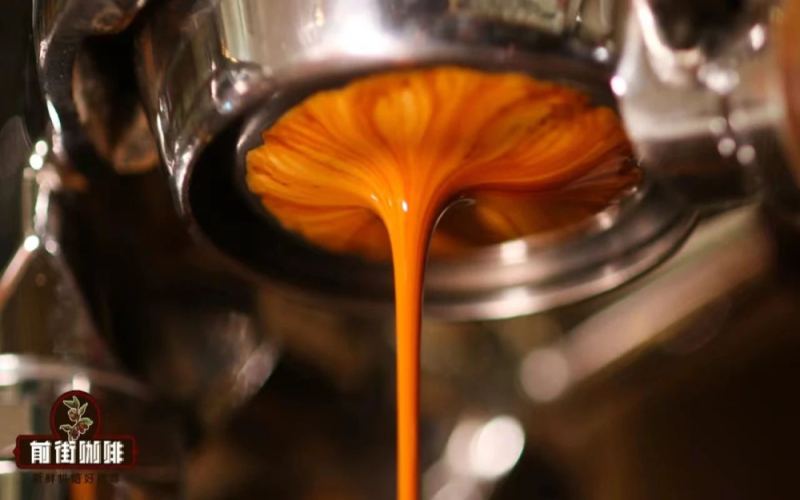
SOE Single-Origin Espresso vs. Blended Espresso: Brewing Parameters, Flavor Profile, and Preparation Explained
In specialty coffee drinks, espresso is the foundation that determines flavor. In recent years, SOE (Single Origin Espresso) made from single-origin coffee beans has gradually become popular. It differs noticeably from traditional blended espresso in bean selection, roast level, extraction parameters, and flavor expression. This article will start from the definition of SOE, compare the characteristics of blended coffee beans, analyze why SOE has become popular, and use the washed Front Street Gedingding beans from Ethiopia's Yirgacheffe region as an example to fully demonstrate the production process and extraction parameters of a cup of SOE espresso, while also providing a flavor description to help coffee enthusiasts fully understand this brewing method. [more…]
Can Espresso Beans Be Brewed as Pour-Over? A Full Analysis of the Differences Between Single-Origin and Blend Beans
Front Street often receives questions like these: Can dark-roasted espresso beans be used for pour-over? What exactly is the difference between single-origin beans and blended beans? In fact, the extraction method determines a coffee bean's positioning and roasting direction. Single-origin beans emphasize a clear expression of regional flavors and are mostly light-roasted; espresso beans are mainly blends, roasted on the darker side, pursuing stability and richness. The two also differ noticeably in grinding, parameters, and sales specifications. This article, from Front Street's perspective, will sort out the core differences between single-origin beans and espresso beans, and answer the adjustment ideas to note when using espresso beans for pour-over. [more…]
SOE Single-Origin Espresso Explained: Definition, Can It Be Brewed as Pour-Over, Reasons for Higher Price, and Brewing Key Points
In the landscape of espresso, SOE is attracting more and more attention from coffee shops and enthusiasts. It refers to espresso extracted from single-origin coffee beans, in contrast to the blending philosophy. This article, from the perspective of Front Street, sorts out the basic definition of SOE, reviews its trajectory from early single-origin beans to its resurgence in popularity, and answers a common question: can SOE coffee beans be used for pour-over? It also analyzes its flavor direction, its differences from blended coffee, and the freshness and extraction parameters that need attention during preparation. The article also introduces several of Front Street's single-origin beans and blended products, helping readers understand SOE's application scenarios and selection approaches more comprehensively. [more…]
Hand-Brewed Espresso Blend Beans | Can Espresso Blend Beans Be Used for Pour-Over Coffee? Specialty Espresso Blend Coffee Beans Recommended for Gourmet Lattes
Whether it's espresso beans or espresso blends, as the name suggests, they are ingredients used for extraction in espresso machines, which is also the origin of espresso. So what are the characteristics of this kind of coffee? Besides making espresso, can it also be used to make pour-over coffee? Front Street Coffee (FrontStreet Coffee [more…]
Hand-Brewed Single-Origin Coffee vs. Espresso Machine Extraction: A Comprehensive Comparison from Bean Selection to Brewing Technique
In coffee shops, espresso-based coffee and single-origin coffee form the two core categories. The former relies on a coffee machine to produce rapid output under high pressure, with a rich and mellow taste, suitable for pairing with milk; the latter is mostly presented in the form of pour-over, emphasizing origin flavor and a clean mouthfeel. The two differ significantly in everything from coffee bean selection, roast level, to extraction method and brewing technique. This article will take the practices of Front Street Coffee as an example, comparing them one by one across dimensions such as coffee bean variety, roast degree, extraction principles, coffee-to-water ratio, and pouring technique, to help coffee enthusiasts understand the essential differences between pour-over and machine-produced coffee, and to master the complete brewing process for pour-over coffee as well as the standard operating steps for an espresso machine. [more…]